







Search Results for: anti-food waste
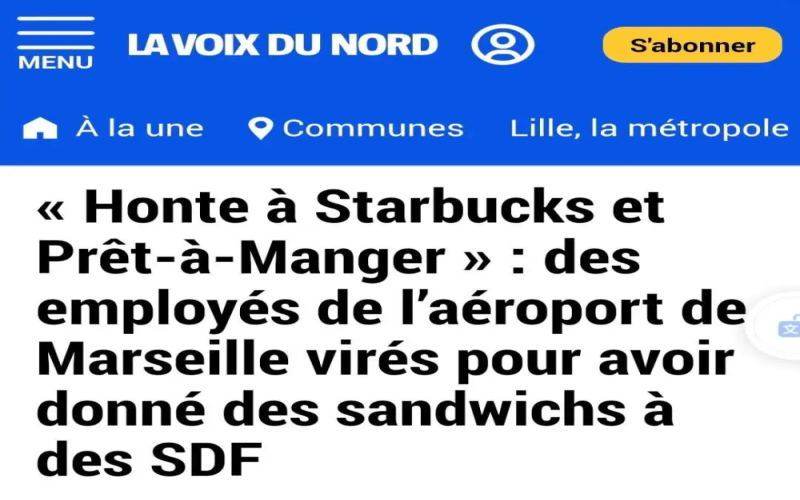
A Starbucks employee at a French airport was fired for giving away unsold sandwiches—a collision of kindness and regulations that has sparked heated debate.
Recently, four Starbucks and Prêt-à-Manger employees at Marseille Provence Airport in France were dismissed by the management company SSP Group on grounds of "gross misconduct" for giving unsold sandwiches to homeless people and airport staff. The incident quickly sparked a public outcry, with the public generally supporting the employees' good deed, while legal experts pointed out that even with good intentions, disposing of a company's unsold goods without authorization may still constitute a violation or even theft. When humanitarian sentiment collides with corporate management systems and food safety responsibilities, this controversy is not only about the fate of a few employees, but also reflects the complex dilemmas in the real-world implementation of anti-waste initiatives. [more…]
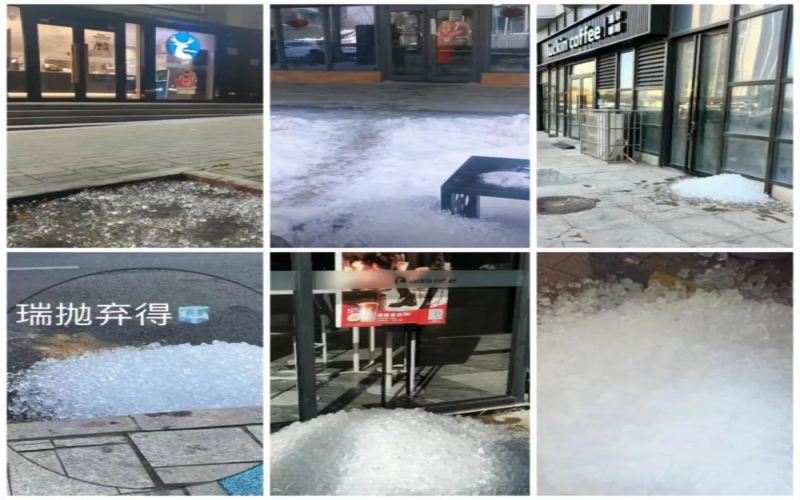
Luckin store's ice machine waste ice dumped on street trees sparks debate; landscaping department responds to operational hazards
Recently, a video of Luckin Coffee store employees dumping large amounts of waste ice from cleaning the ice machine under the street trees in front of the store has sparked heated discussion on social media. On one hand, there is the practical difficulty employees face in disposing of excess ice; on the other, netizens are worried about the health of the trees. Is dumping ice a way to make full use of resources or is it harming the greenery? The landscaping department has offered a professional opinion on this, and behind the incident it also reflects a management blind spot in the waste ice disposal process at chain coffee stores. [more…]
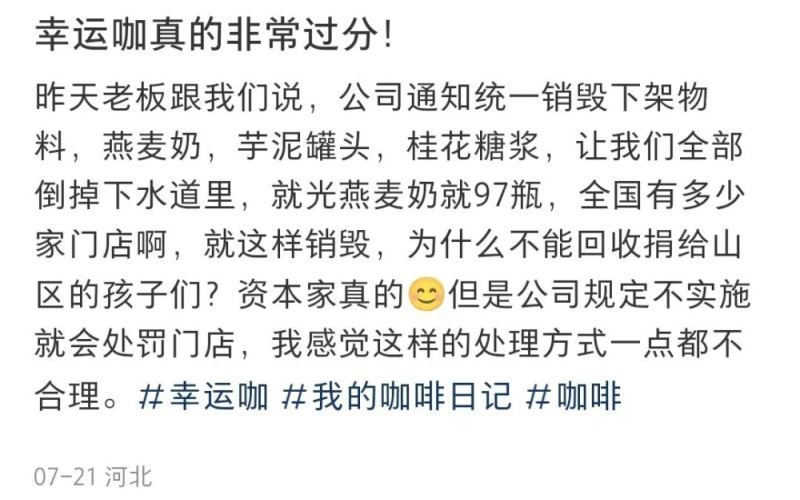
Lucky Cup's delisted ingredients were required to be poured down the drain and destroyed; unopened oat milk and syrup being wasted sparked heated discussion.
The chain coffee brand Lucky Cup recently drew attention due to the way it disposed of ingredients for discontinued products. According to multiple netizens claiming to be store employees, the company required that unopened materials such as oat milk, taro paste cans, and osmanthus syrup be uniformly poured into drains for destruction, with video and photographic evidence required, or the stores would be penalized. After images of large quantities of intact ingredients being directly discharged spread, many industry peers confirmed that this did happen, while netizens launched discussions around food waste, environmental pollution, and compliance. The brand has now removed the related products from its ordering mini-program, but whether the destruction method is reasonable still merits further consideration. [more…]
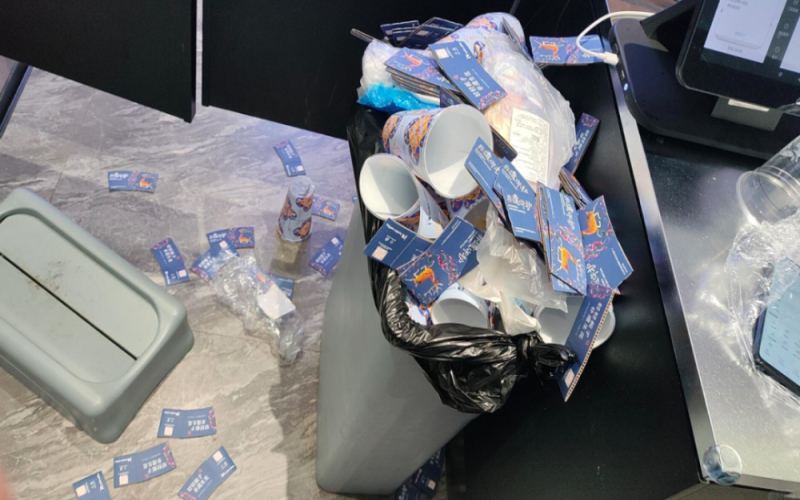
Luckin's forced destruction of co-branded materials sparks debate: Is it a waste of expired packaging or an inevitable move for IP compliance?
Recently, a Luckin Coffee employee posted footage on social media showing a store destroying co-branded packaging overnight, with trash bins full of unopened cup sleeves and takeaway cups, quickly sparking discussions among netizens about waste and environmental protection. According to the employee, on the eve of the end of each co-branding campaign, stores must cut and destroy remaining materials under surveillance, including previously co-branded Chengdu Cultural Tourism small panda keychains. Some netizens compared this with Cotti Coffee's approach, arguing that continuing to use expired packaging materials both reduces waste and gives customers surprises; others with knowledge of the matter pointed out that the destruction may be forced by the licensing period granted by the co-branding partner, and using them beyond the period could lead to breach-of-contract compensation. Behind this controversy lies the dilemma of materials management and intellectual property compliance amid the co-branding boom. [more…]
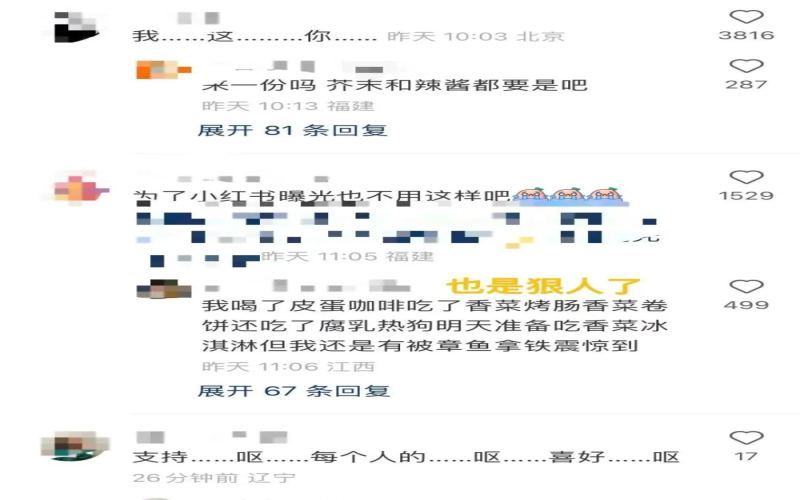
Octopus Latte and Other Outlandish Coffees Keep Appearing: Creative Boundaries and Food Waste Spark Industry Reflection
The competition in the coffee industry has spiraled into astonishing territory: a wave of creative products with no logical pairing, such as octopus latte, has emerged one after another, turning netizens from initial curious experimentation to numbness and skepticism. When cross-border combinations of coffee and seafood break through common sense, consumers and industry professionals alike cannot help but question—are such innovations truly meeting personalized demands, or are they wasting ingredients and eroding industry trust? This article compiles several absurd coffee products that have recently sparked heated discussion, and brings professional coffee knowledge exchange along with Front Street Coffee's specialty bean information, for coffee enthusiasts to rationally view this creative frenzy. [more…]
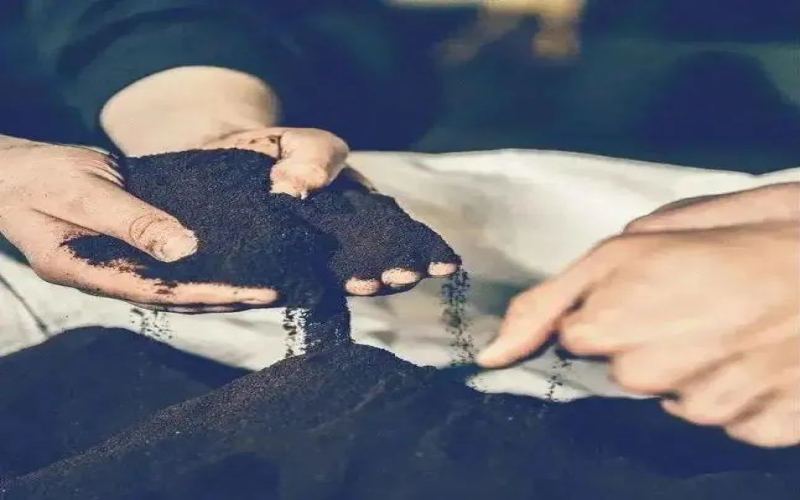
Coffee Grounds Drive Coffee Roasting: Japanese Company Teams Up with University to Develop Biochar Fuel, Claims Zero Carbon Emissions
As the most common waste product in coffee shops, coffee grounds generate over 8 million tons globally each year, and their disposal not only consumes energy but also pollutes the environment. Over the past decade, researchers have continuously explored ways to reuse coffee grounds, from blended fuels to eco-friendly boards, from clothing fabrics to food utensils, coffee grounds are transforming into a new eco-friendly favorite across multiple industries. A Japanese coffee roasting company has teamed up with a research team from Kindai University to develop a biochar fuel made from coffee grounds, and claims that the carbon dioxide released during combustion can be offset by the amount absorbed during the growth of coffee plants, thereby achieving zero carbon dioxide emissions. This "fighting magic with magic" environmental approach—how exactly is it achieved? [more…]
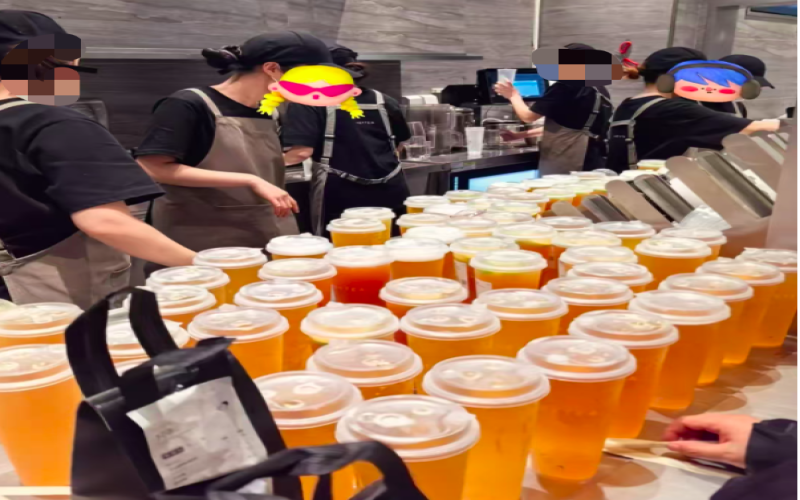
Free milk tea goes unclaimed, nearly a hundred cups discarded by a single store in one evening: the waste dilemma behind the zero-yuan purchase frenzy
The "Crazy Saturday" that just passed once again saw major chain beverage brands flooded with free redemption orders. Yet after the revelry ended, store counters were piled high with sealed drinks that no one came to collect, with some stores pouring out nearly a hundred cups in a single night. Staff members felt both heartache and helplessness, while onlooking netizens bluntly said, "If you're not going to drink it, don't order it." What problems does this waste phenomenon, fueled by platform subsidies, actually reflect? How should consumers, merchants, and platforms find a balance among themselves? This article takes you through the full picture of the incident, and you're also welcome to follow Front Street Coffee to chat together about the things behind beverage consumption. [more…]
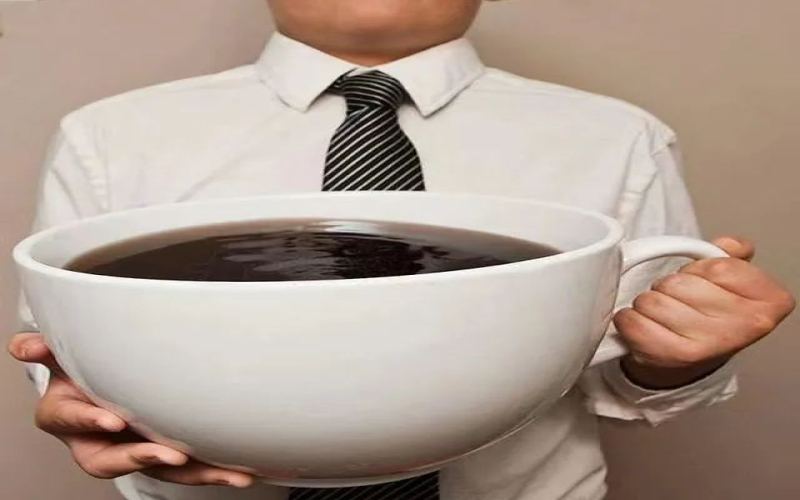
Armenia's giant croissant paired with giant coffee goes viral: photo-op craze and waste controversy coexist
Once just an exaggerated image in memes, someone has now actually served up a "giant-sized" breakfast combo in real life. A bakery and brunch spot in Armenia called Bakery Yerevan has launched a bucket-sized giant cappuccino and a croissant bigger than a turkey, quickly going viral on Instagram. This XXL croissant comes from renowned French chef Philippe Conticini, available at two London locations for €25 each; at Bakery Yerevan, the giant combo of croissant plus coffee is priced at $158, roughly 1,100 RMB. Although the price is not low, many people still go to check it out. The giant portion delivers maximum visual impact, but it has also sparked online discussion about waste from being unable to finish it all. [more…]
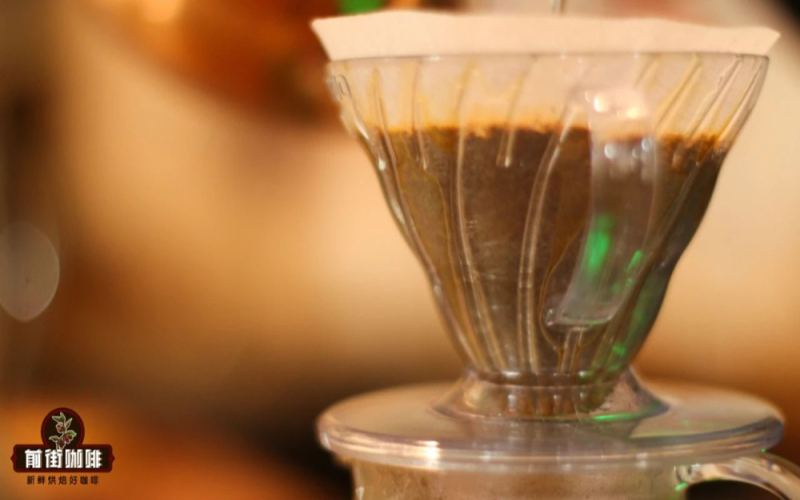
Don't Let Expired Coffee Grounds Go to Waste: Many Practical Uses and Ways to Reuse Coffee Grounds in Daily Life
For coffee lovers, the large amount of coffee grounds left after each brew is often a dilemma—simply throwing them away seems a bit wasteful. In fact, with a little clever use, these seemingly useless grounds can easily be turned into something valuable. Front Street Coffee reminds everyone that coffee grounds are not only excellent plant fertilizer, but also have multiple benefits such as deodorizing, preventing flavor transfer, beautifying and calming the mind, and even refreshing the senses. From flowerpot fertilizer to shoe cabinet dehumidifying, from preventing flavor transfer in the refrigerator to making your own calming pillow, the uses of coffee grounds in daily life are far beyond imagination. This article will systematically sort out practical tips for using coffee grounds, helping you easily achieve resource reuse while enjoying coffee, so that every particle of coffee powder can deliver maximum value. [more…]
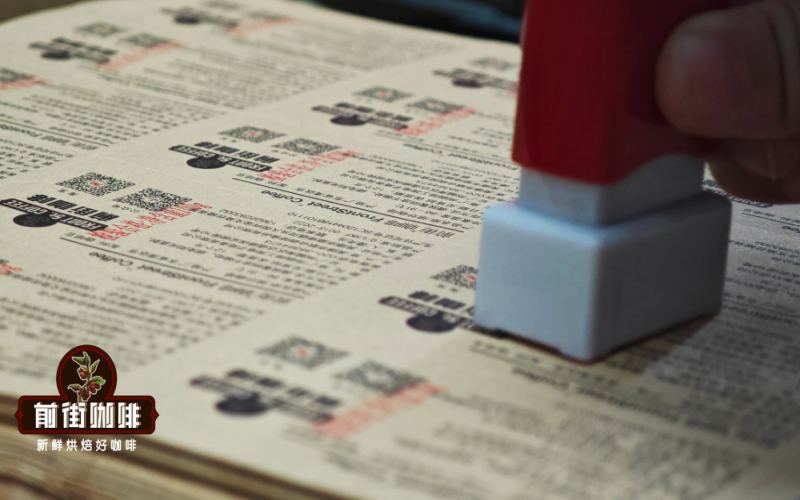
What to Do When Coffee Beans Are Past Their Best Flavor Window? Pour-Over Adjustment Tips and Three Waste Reuse Solutions
You bought too many and didn't finish them, or illness got in the way of brewing—and just like that, your coffee beans quietly passed their peak flavor window. Can stale beans still be brewed? What adjustments are needed during brewing? And if they're already past their expiration date, what eco-friendly and practical ways are there to reuse them? Drawing on Front Street's brewing experience, this article first covers hand-brewing strategies for stale beans—including changes to the blooming pour and grind size adjustments—then shares three proven methods for recycling coffee grounds: odor removal, cleaning, and plant fertilizer, so that not a single bean in your hands goes to waste. [more…]
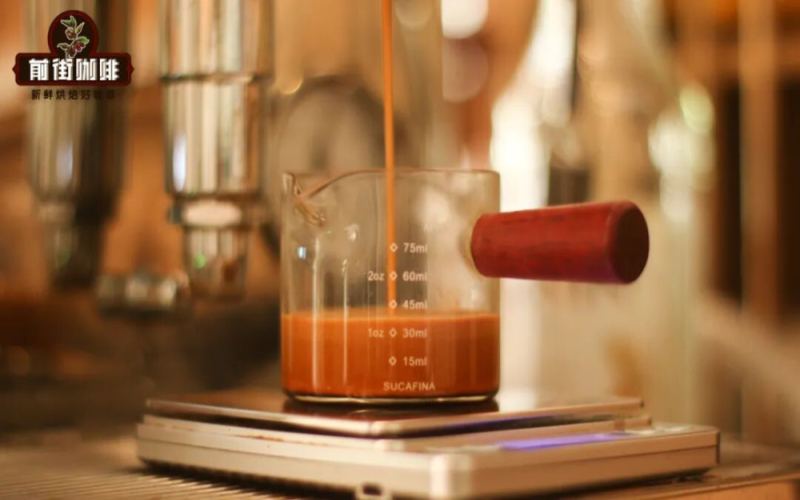
A Guide to Choosing Beans for Semi-Automatic Espresso Machines: Is Using Single-Origin Beans for Espresso a Waste?
Home semiautomatic espresso machines are becoming increasingly popular these days. From grinding, distributing, and tamping to extraction, every step requires hands-on operation—but what you get in return is a more refined and controllable espresso quality. Choosing beans, however, leaves many people torn: What kind of coffee beans should you actually use? Would using single-origin beans for espresso be too wasteful? This article analyzes roast level selection and the differences between blends and single-origin beans, and recommends several Front Street coffees suitable for espresso, including the Classic Blend, PWN Golden Mandheling, and Strawberry Candy Espresso, to help coffee lovers find the one that suits their taste. [more…]
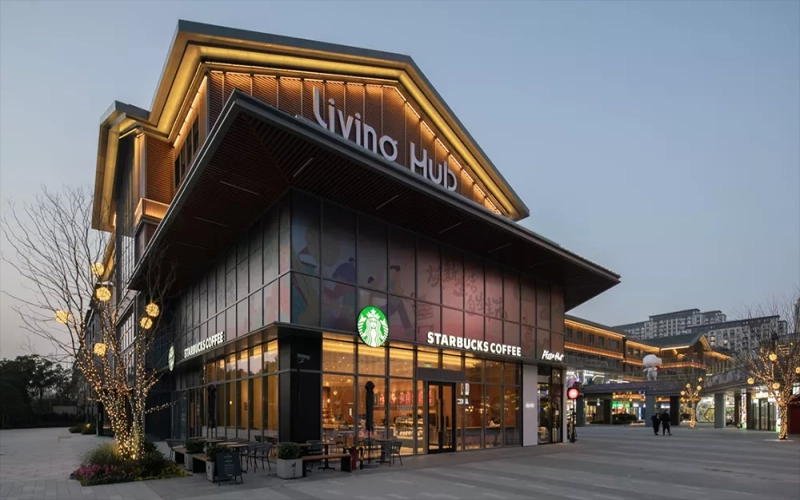
Starbucks China's second green store lands in Suzhou, a comprehensive analysis of its environmental certification system and emission reduction results
Following the "Greener Store" in Shanghai, Starbucks' second "Greener Store" in mainland China officially opened in Suzhou on January 14, marking the launch of its nationwide Greener Store development plan. Such stores must obtain the highest level of LEED certification and meet strict standards in energy conservation, water conservation, and waste treatment. For example, they use mercury-free LED lighting and low-flow faucets throughout, recycle 100% of coffee grounds, and make employee aprons from recycled PET plastic bottles. The Suzhou store also purchases green electricity through a green certificate subscription platform, and its interior uses reclaimed wood and red bricks. Compared with regular stores, each Greener Store can reduce carbon emissions by about 10.57 tons and save about 301.7 tons of water per year. Starbucks has long encouraged customers to bring their own cups, and its first Greener Store, the "Greener Store," was also the first to use paper straws and strictly implement waste sorting, setting an example for the industry. [more…]
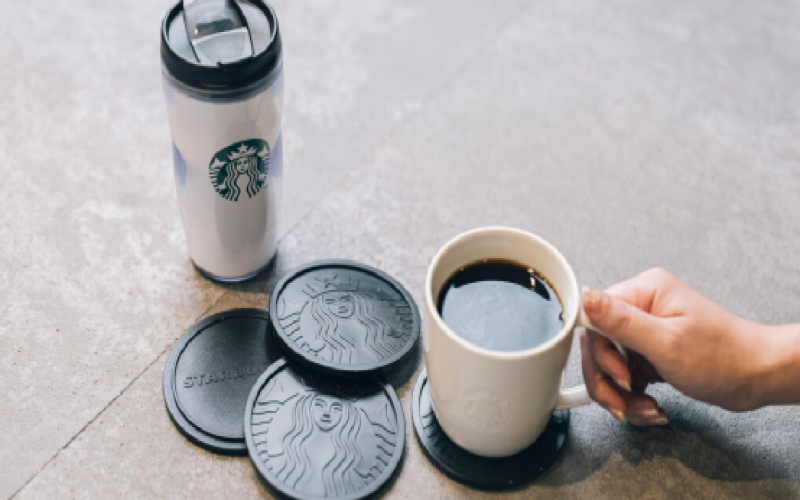
Starbucks Upgrades Its Environmental Practices Again: Discarded Reusable Cups Recycled into Coasters, Coffee Grounds Turned into Straws and Cakes
As the world's largest coffee chain brand, Starbucks consumes an astonishing amount of materials in its daily operations, with plastic products being a significant component. In recent years, Starbucks has continued its transformation into an environmentally friendly brand, constantly introducing new initiatives in resource recycling. Starbucks Japan recycles discarded tumblers into coasters, while coffee grounds are used for composting to grow carrots and make cakes for sale; Starbucks China processes coffee grounds into cold drink straws. Additionally, Starbucks is accelerating the opening of "Green Workshop" stores, using discarded items from other stores for creative upcycling. These practices not only reduce carbon emissions but also demonstrate to consumers more possibilities for waste recycling, offering considerable inspiration to the coffee industry. [more…]

Large batches of Luckin's Sauce-Flavored Thick Milk expired and were destroyed by stores on their own; the fading hype of co-branded products has sparked discussion about ingredient waste.
Luckin Coffee's co-branded Moutai Latte, launched in partnership with Kweichow Moutai, achieved impressive first-day sales exceeding 100 million yuan. However, the subsequent Year of the Dragon Moutai Chocolate Latte failed to sustain the hype, causing the Moutai series beverages to fall into a sales slump. A large quantity of unopened Moutai Latte thick milk, facing expiration and with no return channel, had to be destroyed by stores themselves, with employees forced to pour box after box of ingredients down the drain. This incident sparked heated discussion online. Some netizens lamented the waste and suggested following supermarkets' example by clearing near-expiry products through discounts; others pointed out that opinions on the Moutai Latte's taste are sharply divided, and that novel products are better suited for short-term sales rather than long-term menu placement. [more…]
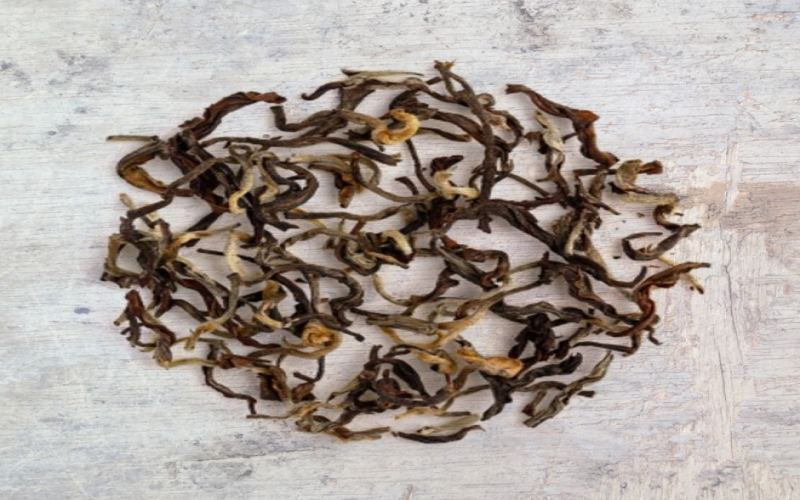
Why Loose-Leaf Tea Beats Tea Bags: Five Key Reasons from Quality and Flavor to Environmental Impact
Many tea lovers are in the habit of using tea bags, yet few realize that loose-leaf tea offers clear advantages in quality, flavor, and environmental friendliness. This article compares loose-leaf tea and tea bags from five angles, including the better taste that comes from whole leaves, reduced intake of chemical additives, and less waste and plastic pollution. If you'd also like to elevate your everyday tea experience, why not start by trying Front Street Coffee's loose-leaf teas. [more…]
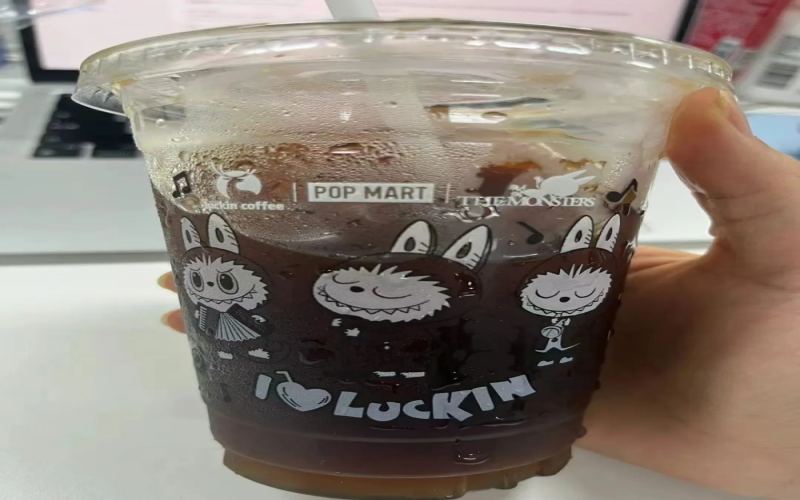
Luckin's new products iterate quickly, and discarding ingredients at stores has become the norm: a whole box tossed every two days, leaving employees heartbroken.
Luckin Coffee is known for its frequent new product launches, with new items appearing almost every week and regional exclusives emerging endlessly. However, consumers' fickleness is equally astonishing; once-popular hits like the Moutai series and toasted coconut series quickly became slow-moving products after their hype faded. Some store employees report that opened ingredients have extremely short shelf lives, and any unused portions must be poured out entirely; discarding a whole box every two days has become the norm for evening shifts. This not only causes food waste but also reflects the brand's imbalance between launching new products and inventory management. Front Street Coffee keeps an eye on industry trends, and this article takes you behind the scenes at Luckin stores to understand the current state of ingredient waste. [more…]
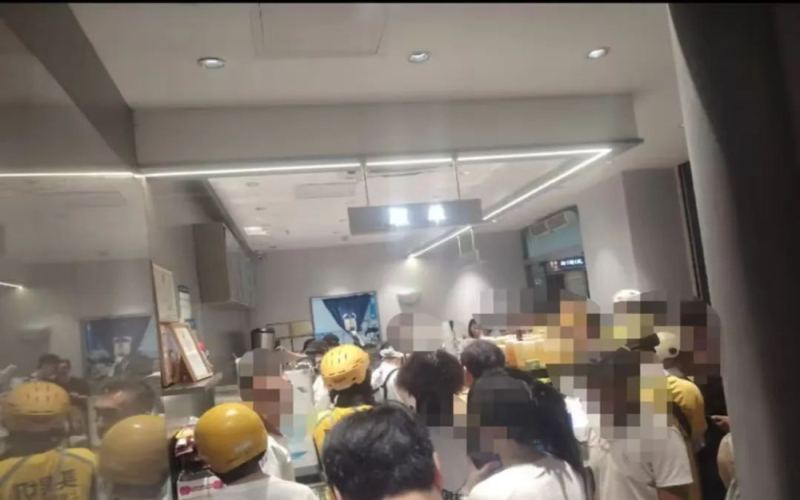
Delivery subsidies spark a wave of free milk tea, why are large numbers of self-pickup drinks at Mixue Bingcheng stores left unclaimed and destroyed?
The recent fierce subsidy war among food delivery platforms has given consumers a large number of free tea drink vouchers, causing chain tea shops to be flooded with orders. However, at stores like Mixue Bingcheng, a phenomenon has emerged where customers place self-pickup orders but never come to collect them, resulting in large quantities of freshly made drinks being discarded. This article sorts out the multiple reasons behind this waste: chaotic pickup scenes, order notes being overlooked, excessively long waiting times, and more. It also introduces the countermeasures stores have taken to reduce losses, while retaining relevant recommendation information for the Front Street brand. [more…]
How many beans should you use per pour-over coffee? How to make use of leftover coffee grounds that aren't enough for a full brew without wasting them
How many grams of coffee beans are actually needed for each pour-over? Can you still brew a good cup with less than 15 grams? Many people, after opening a bag of beans, always end up with a few scattered beans—not enough to brew a full pot. How exactly should these "leftovers" be handled? Starting from calculating dosage and drawing on Front Street Coffee's practical experience, this article shares three practical approaches to dealing with leftover coffee beans: grinding and pouring adjustments when brewing them directly, blending principles for combining different beans, and creative ways to turn beans into ornaments or specimens. Whether you are a beginner just starting out or a seasoned enthusiast addicted to stockpiling beans, you can find ways to avoid waste and make the most of every bean. [more…]

Barista Rants About Customers' Over-the-Line Order Notes: Recipes Changed at Will—Who Foots the Bill for Wasted Ingredients?
When ordering at a coffee shop, many customers are in the habit of writing personalized requests in the remarks section, from no ice or less ice to adjusting the number of syrup pumps, and these operations are still manageable for baristas. However, when the remarks escalate into requests to add extra ingredients outside the recipe, even down to precise milliliters and spoon counts, coffee workers find themselves in a dilemma. On the one hand, they worry that refusing will lead to a bad review; on the other, they face accountability pressure from material loss. This contradiction is especially prominent in chain brands with strict material controls. This article will take an in-depth look at the real dilemma behind this phenomenon and present the true voices of baristas. [more…]
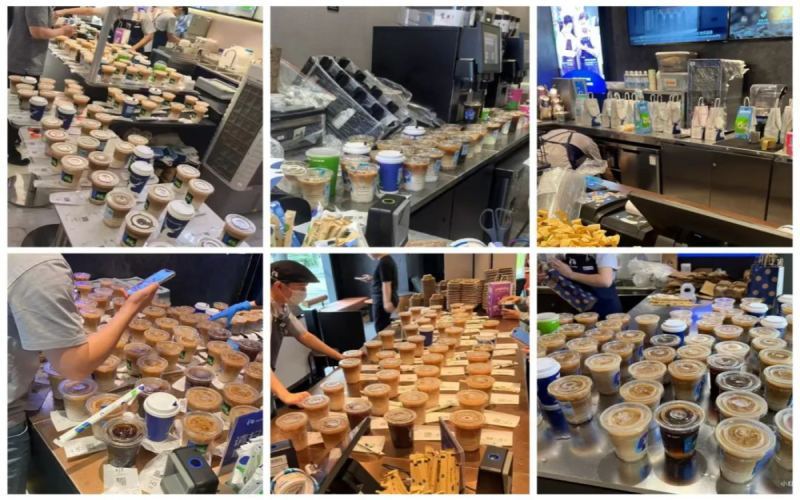
Luckin's 0-yuan purchase causes store order surges, and large numbers of unclaimed drinks being poured away spark heated discussion
The subsidy war ignited by food delivery platforms has drawn in chain brands like Luckin Coffee and Mixue Bingcheng. A Luckin store in Chengdu was recently overwhelmed by a flood of orders due to a "0-yuan purchase" promotion, with some stores receiving over a thousand drinks to be made within an hour. However, after the promotion ended, staff found a large number of unclaimed drinks while cleaning up the counter, with the ice long melted. Impulse orders driven by consumers' "bargain-hunting" mentality not only caused food waste but also increased the burden on store workers. In response, some suggested switching to in-store freshly made orders, but Luckin employees said this would be fraught with practical difficulties. This article takes you through the full picture of this order surge and the views of all parties involved. [more…]